|
|
|
|
|
|
Welcome to the HADb homepage!
|
|
|
|
|
|
|
|
HADb is the first Human Autophagy-dedicated Database. It’s a public repository containing information about the human
genes described so far as involved in autophagy.
|
|
|
|
|
|
|
|
What is autophagy?
|
|
|
|
|
|
|
|
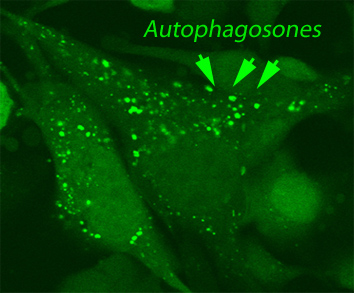
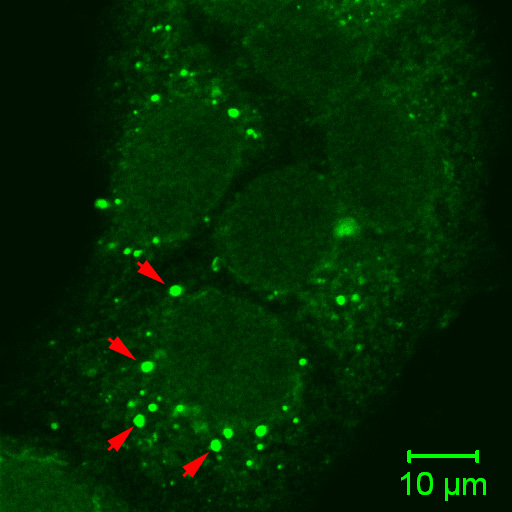
Autophagy is a lysosomal degradation pathway that is essential for survival, differentiation, development,
and homeostasis. Autophagy plays a key role in diverse pathologies, including infections, cancer,
neurodegeneration and aging as well as in heart, liver and kidney diseases
(read more).
Accordingly, there has been a tremendous increase in autophagy research in the past 10 years. All these
studies have increased the number of autophagy related genes and proteins reported. Therefore,
the necessity emerged to develop a comprehensive database committed to keeping researchers knowledge up
to date in the fast growing field of autophagy.
|
|
|
|
|
|
Update of our database is in progress
Autophagy dedicated journal
Most relevant recent papers
|
|
|
|
|
|
|
|
About data inside HADb
|
|
|
|
|
|
|
|
HADb provides a complete and an up-to-date list of human genes and proteins involved directly or indirectly in
autophagy as described in literature.
General information, comments and genomic annotations had been used to describe genes
(more detail). The display of
annotations and the navigation on the genome is then possible by using an internal GBrowse or a link to
Ensembl.To browse all the database entries,
click here.
For proteins, HADb proposes general, structural and functional information. Thus, users can access to several kinds of
properties generally used to describe a protein (family, post transcriptional modification, interaction, function, cell
location, features, isoform and …). The subsection clustering of proteins presents different motifs, sites and domains
that are represented on the autophagic proteins.
As we cannot display all the data, several links towards main databases are then proposed.
|
|
|